
The regenerative syntropic model
Djanaba Farm is a working syntropic agroforestry project on 100 acres of degraded former cattle country in Monkerai, NSW.
Grounded in Aboriginal land management knowledge and contemporary regenerative practice, the farm is steadily restoring land health in phases while building a commercially viable enterprise.
On Country. In practice.
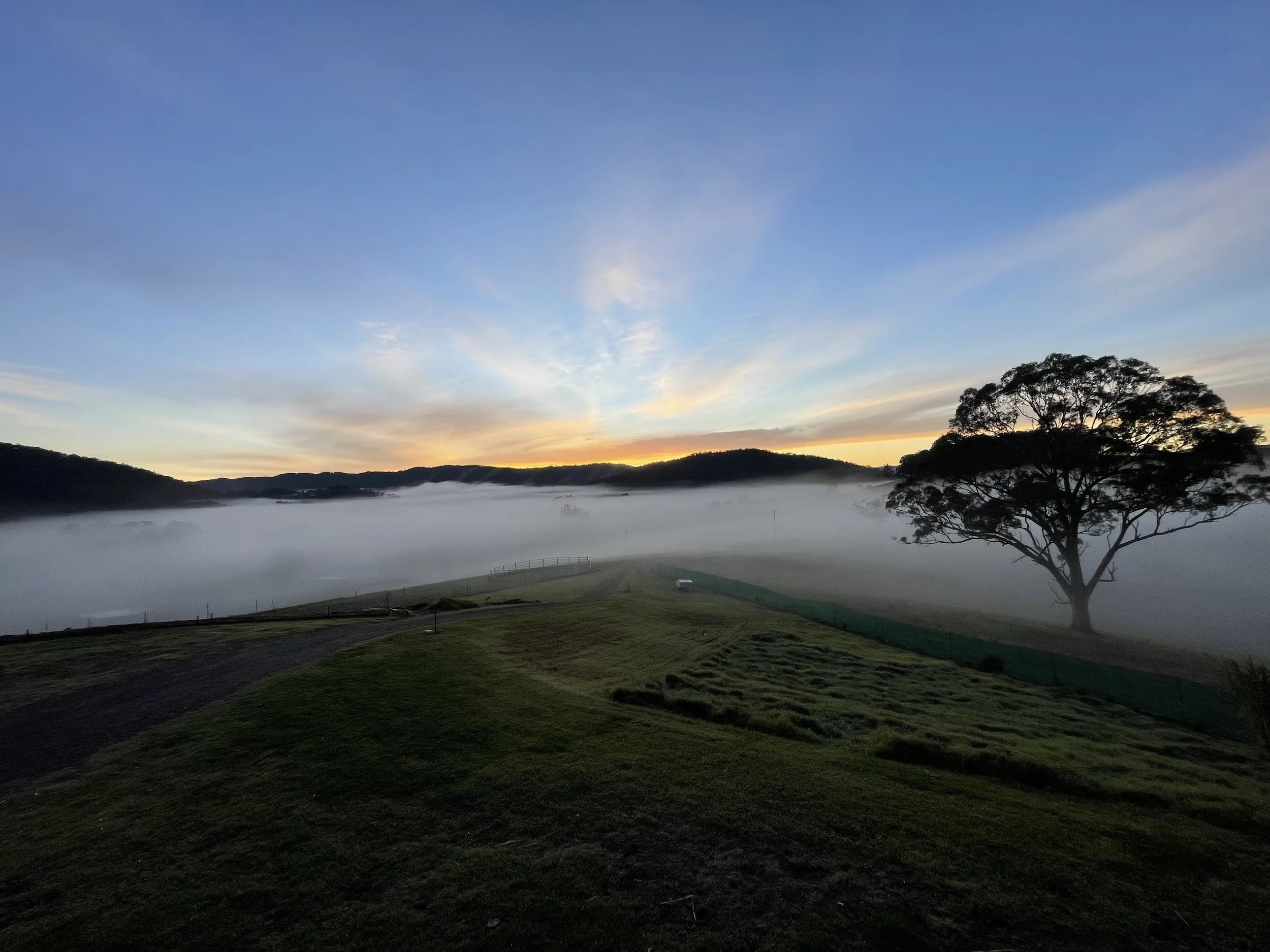
The work underway
Swales, native planting and soil restoration begins.
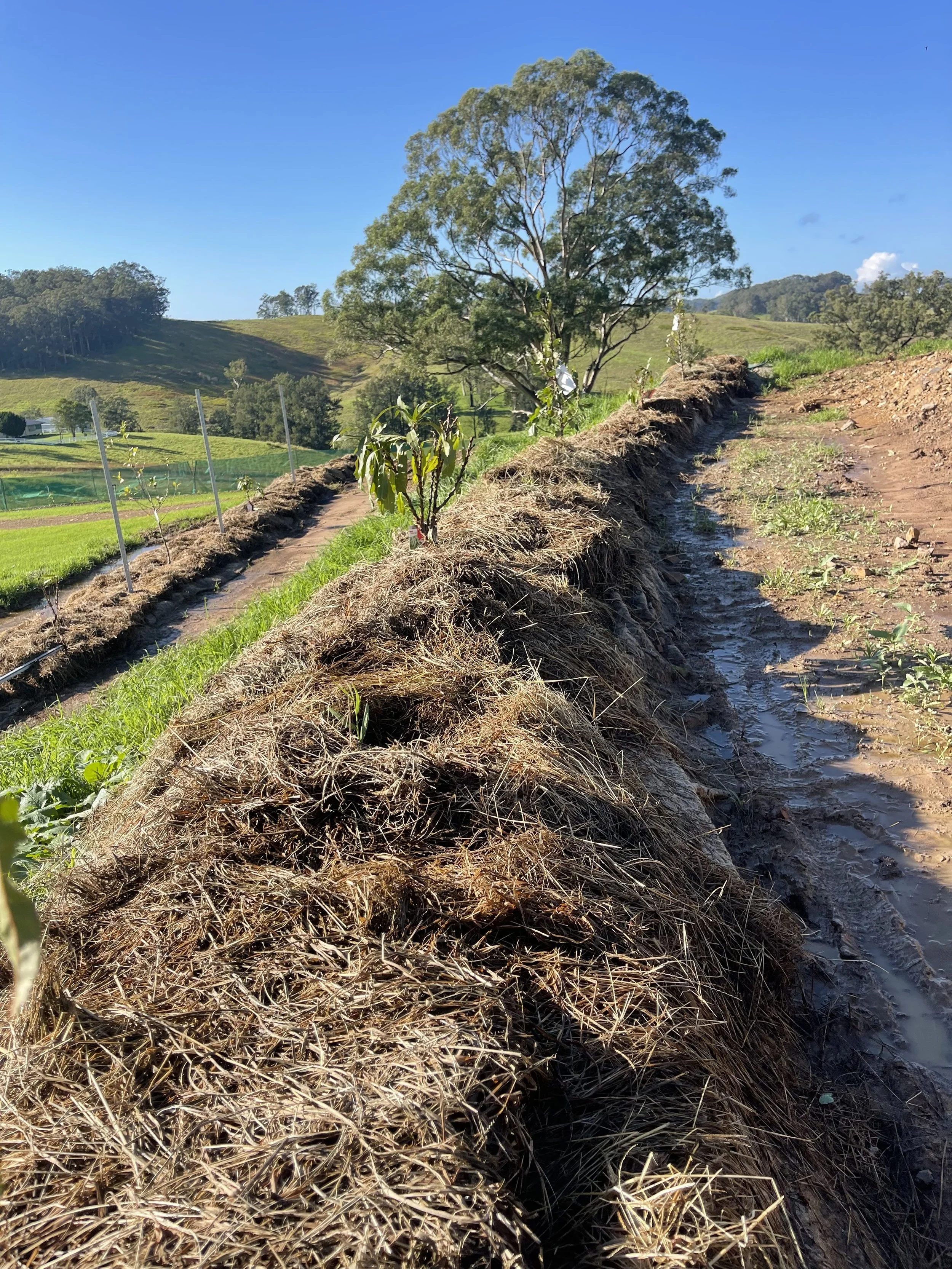
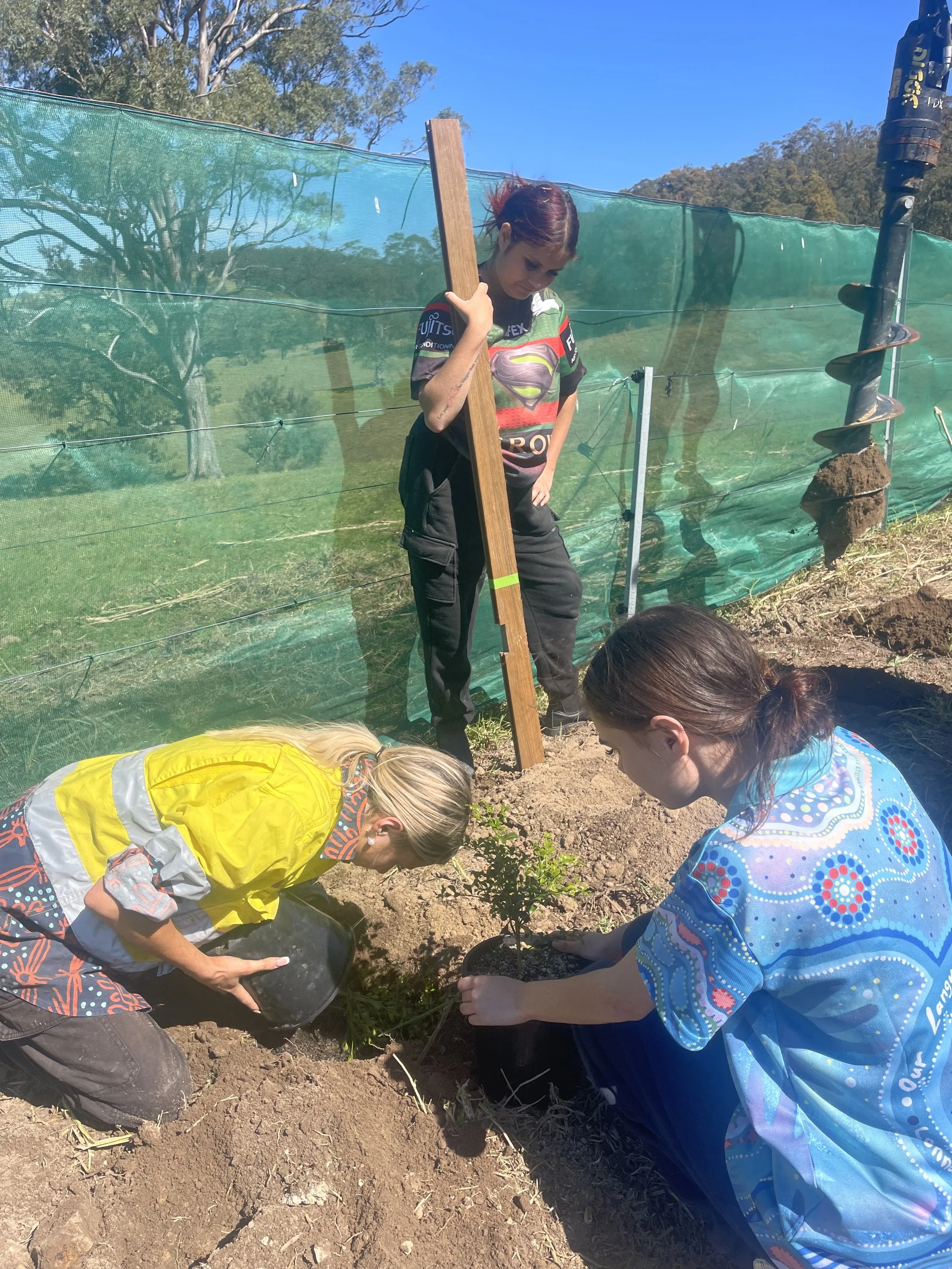
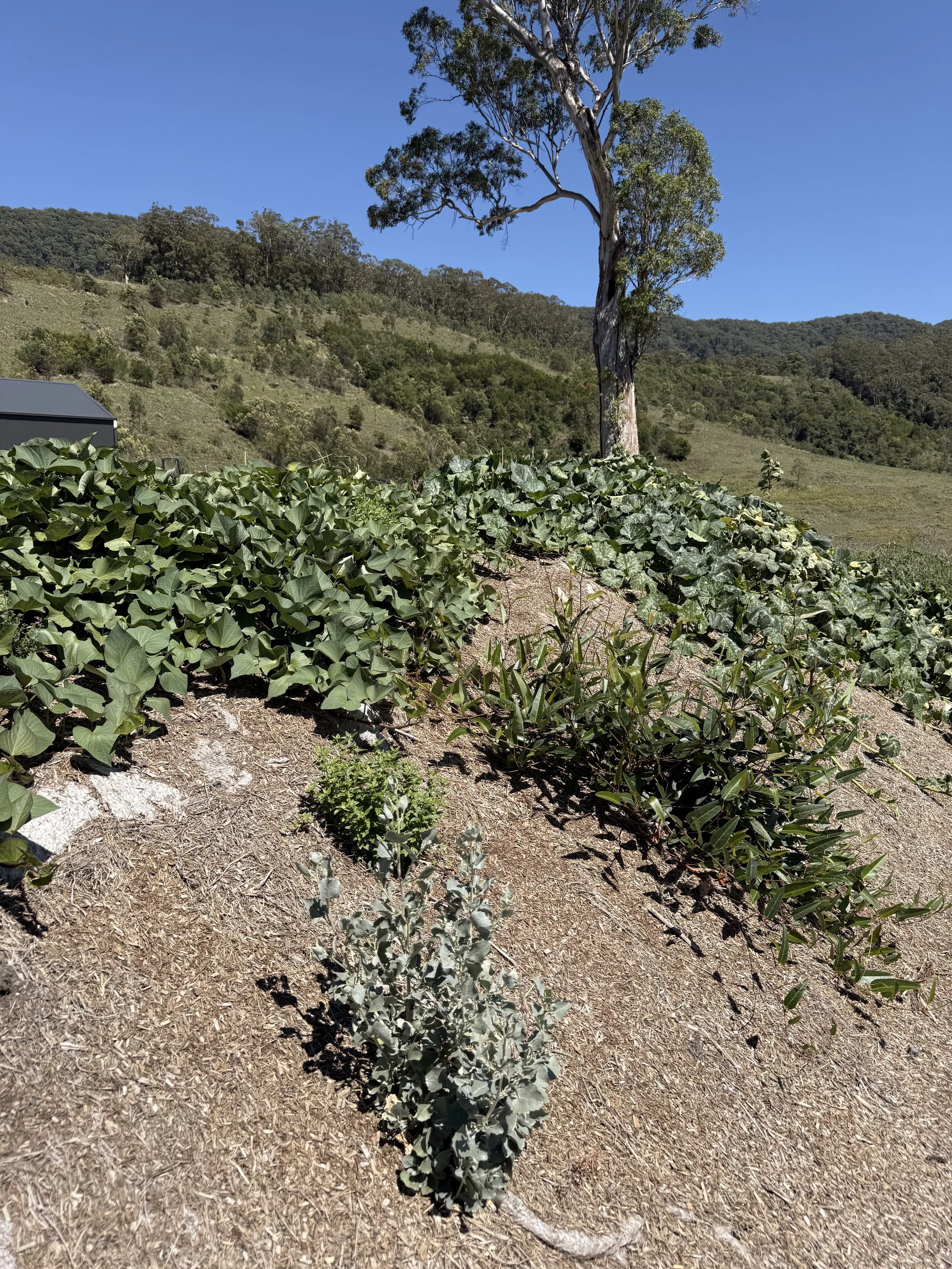
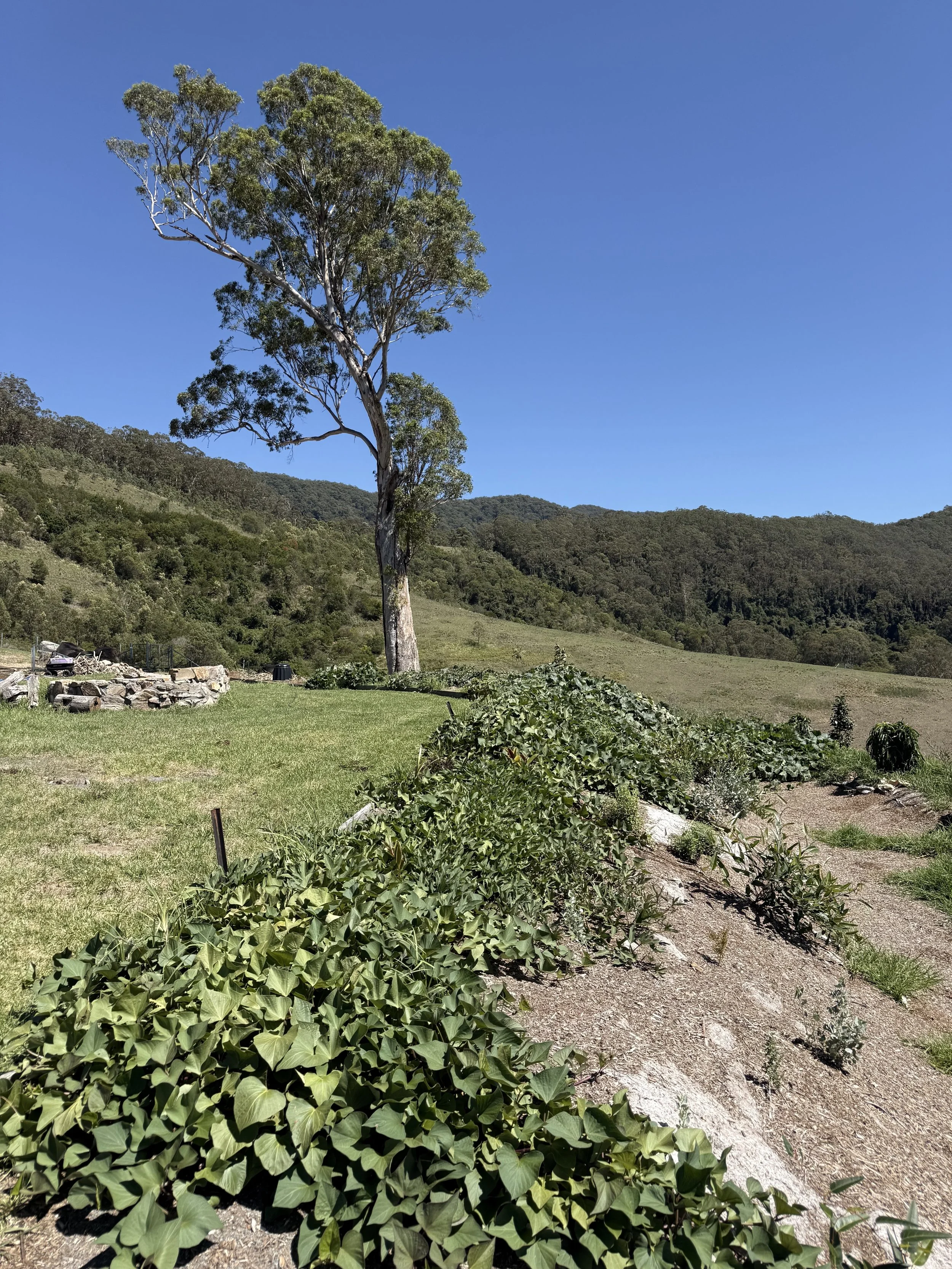
Early implementation focuses on water retention, soil restoration and native planting.
Practical, layered and designed for long-term viability while being grounded in Country and native planting.
The core model
Regenerative land systems
Designing and establishing native syntropic agroforestry plantings. The system integrates biodiversity restoration, water retention, soil improvement and native food and fibre production.
If we look after Country, Country will look after us.
Diversified income streams
The model combines short, medium and long-term revenue sources. These include native food and fibre products, educational intensives, biodiversity participation, and future carbon or ecosystem markets. Income diversity reduces risk and strengthens resilience.
Phased commercial testing
The farm is being implemented in stages to test ecological outcomes alongside financial performance. Each phase provides data on yield, input costs and market response, building evidence for broader adoption.
Restoration is the starting point — not the end point. The long-term goal is a regenerative, profitable and replicable land management model for Worimi Country.
Sustainability
Native food and fibre production
Farm-based intensives and training
Immersive stays
Primary income streams
Emerging income streams
Biodiversity participation
Carbon or ecosystem service markets
Strategic partnerships
Long-term upside
Proven model for replication
Increased land value through restoration
Scalable regenerative enterprise framework

Djanaba Farm is owned and led by Bundjalung woman Jocelyn King.
Her work brings together regeneration, cultural knowledge and practical enterprise — with a long-term commitment to land, community and continuity.
Visitors are welcome to learn more about the approach through on-farm intensives and field days.